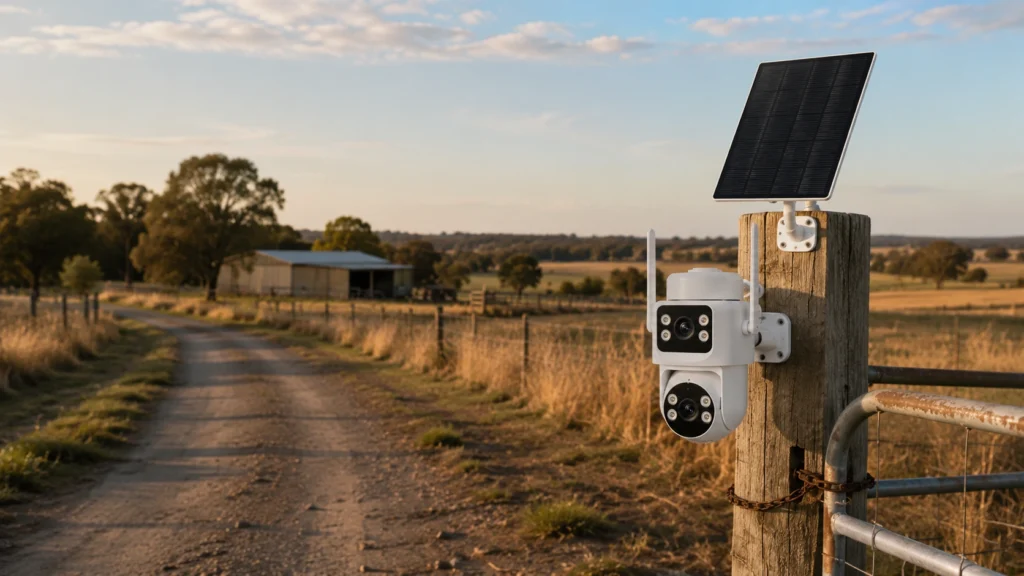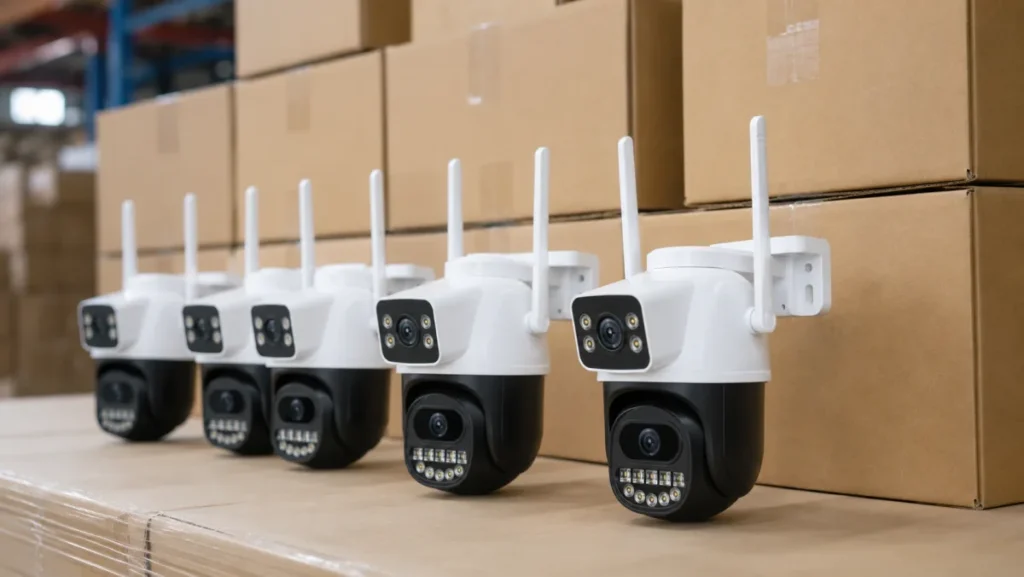
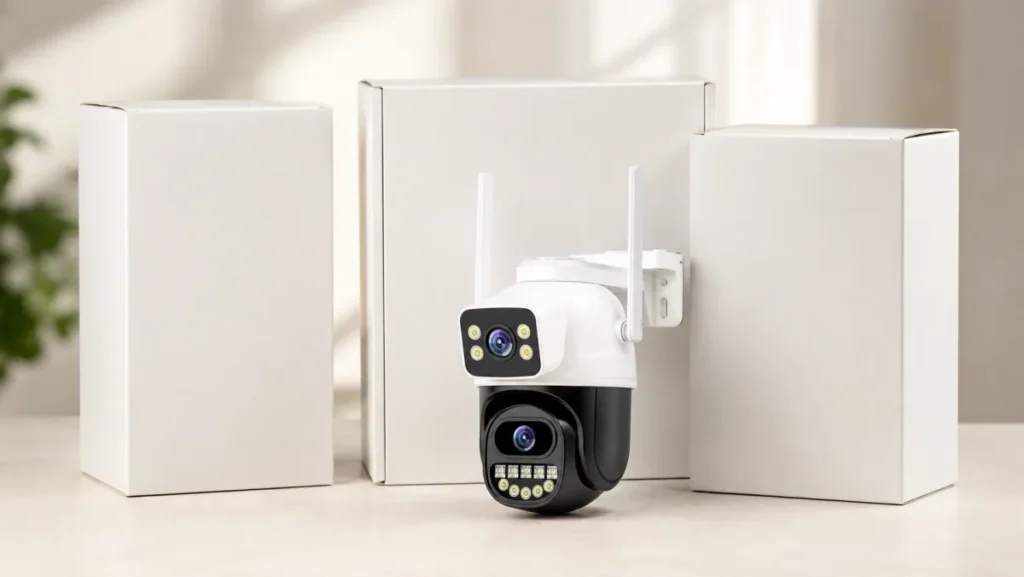
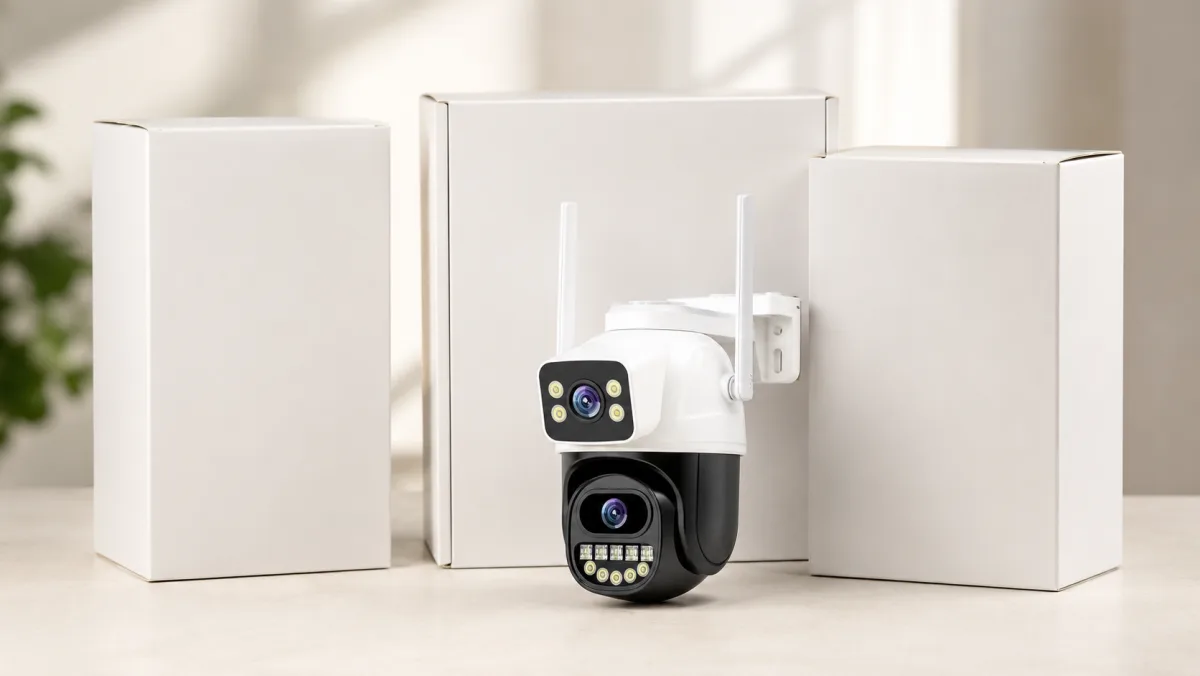
A private label security camera is a finished, factory-built camera sold under your brand instead of the manufacturer’s — your logo on the housing, your name in the app, your packaging on the shelf. You are not designing a camera from scratch; you are taking a proven model and making it yours on every layer a customer can see. That distinction is the whole reason private label works: you get a brand without paying for a tooling project or a development team.
What a private label security camera actually gets you
Who this is for: marketplace sellers tired of competing on a generic listing, distributors who want a house brand instead of reselling someone else’s, and small brands ready to move off white-box stock. If you have not yet decided between buying generic stock and building your own label, read Public Mold vs Private Mold AI Cameras first — this guide assumes you have decided to own a brand and want to know how to start.
Here is the math that makes people choose it. Reselling a generic camera means every sale builds the factory’s brand, not yours — the reviews, the repeat buyers and the pricing power all leak away the moment a cheaper seller lists the same box. Put your own label on it and the customer, the reviews and the second purchase become yours to keep. The camera stops being a commodity you fight over on price.
Private label vs white label vs OEM — the words people mix up
These three terms get used as if they mean the same thing, and the confusion costs buyers money when a quote does not match what they pictured. Here is the plain version:
- Private label — a finished, existing model sold under your brand. Fastest and cheapest to start, lowest minimum order.
- White label — usually the same idea, often used when the software (app and cloud) is also rebranded as yours. In practice many suppliers, including us, treat private label and white label as the same starting point with branding that runs from the box down to the app.
- OEM / ODM — you change the product itself: configuration, housing, firmware or a custom design. More control, higher minimum order, longer lead time. When you outgrow private label, this is the next step. We break the trade-off down in OEM vs ODM Security Cameras.
Most first-time own-brand sellers should start at private label and graduate to OEM once a SKU proves itself. You get to market in weeks instead of months, and you learn what sells before you commit to a tooling spend.
| Private label | White label | OEM / ODM | |
|---|---|---|---|
| What changes | Your brand on a finished model | Brand + your app & cloud | The product itself — config, housing, firmware |
| Typical MOQ | ~100 pcs (stock branding) | ~500 pcs (platform) | ~2,000 pcs+ |
| Time to market | Weeks | Weeks to a month | Months |
| Upfront cost | Low | Medium | High (setup, sometimes tooling) |
| Best for | First own-brand test | Owning recurring revenue | A proven SKU at scale |
Read the table top to bottom and the staging picks itself: test cheap with private label, add software ownership with white label, then commit to OEM only on the SKUs your sales data already approved.
The layers you can put your brand on
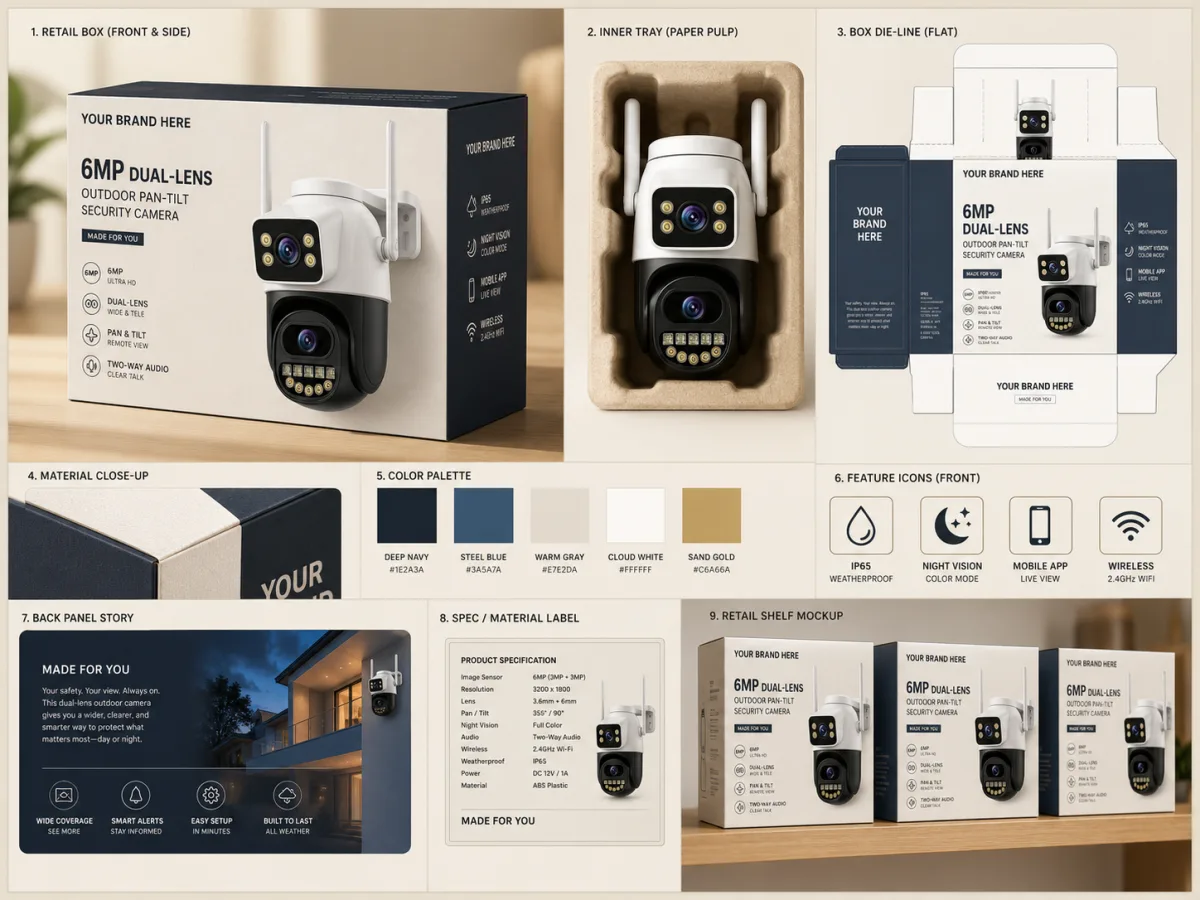
“Private label” sounds like a sticker, but a real program brands far more than the logo. The layers that matter to a buyer who opens the box:
- The camera — logo print or laser engraving on the housing, plus product silk-screen.
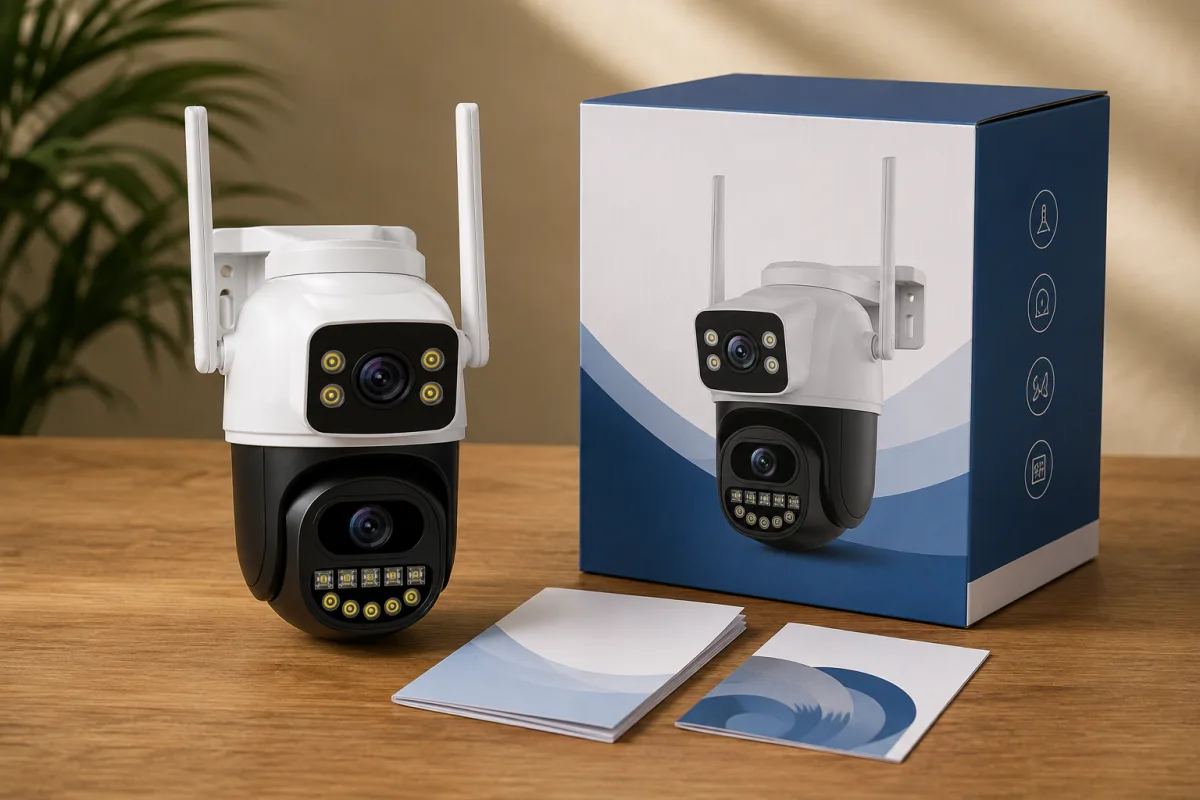
- The packaging — your color box, outer carton, manual, quick-start guide and warranty card, in your market’s language.
- The app — your name, your icon, your UI on the phone app the customer downloads.
- The cloud and subscription — your own cloud account and your own subscription plans, so recurring revenue is yours, not the factory’s.
- The firmware defaults — device naming and default parameters set to your brand, so even the setup screen reads as yours.
A trading company can usually only manage the first two. Branding the app, the cloud and the firmware needs a real manufacturer that owns the software stack — which is exactly why your choice of supplier decides how deep your brand can go. We cover how to tell a factory from a reseller in How to Choose a Security Camera Manufacturer.
The MOQ and cost reality nobody quotes up front
The first question every buyer asks — and the one most pages dodge — is “how many do I have to order?” The honest answer is that it depends on which layers you brand:
- Stock SKUs under your brand can start small, from around 100 pcs, because you are using an existing model and adding light branding.
- Full OEM-branded production — your color box, app and firmware — typically starts from 2,000 pcs, because the factory sets up your packaging and software run.
- White-label app and cloud platform projects sit in between, from roughly 500 pcs.
Those numbers are deliberately staged so your first order stays small and safe while the catalog still looks complete on a listing. A supplier that demands a 10,000-unit first run for any branding at all is quoting you like a factory program, not a private-label start. That is a red flag, not a normal cost.
On price: private label adds a modest per-unit cost over plain stock for the branding work, and the color box is usually the biggest line item. Against that, you are defending margin that a generic reseller cannot — because nobody else can list your branded SKU and undercut you on it.
To make that concrete, here is how the cost stacks up on a small first run. The camera itself is the bulk of the unit cost. On top of that, plan for three branding line items: a one-time setup for your logo print or laser engraving, the color box (priced per unit and cheaper the more you order), and any app or firmware naming work if you go beyond hardware. None of these is a six-figure number at private-label volume — that is the point of starting here instead of OEM. A seller who has been quoted tens of thousands of dollars in “setup” for a basic logo-and-box program is being quoted a factory tooling project by mistake, and should ask for a private-label quote instead.
What a private-label launch looks like in practice
The sellers who succeed with private label rarely start with a hero product. The pattern we see again and again on real orders: a marketplace seller picks two or three in-stock SKUs that are already moving in their category — say an indoor pan-tilt model and an outdoor bullet — puts their logo and box on them, and lists under their own brand at a small first quantity. They are not trying to win on a feature nobody asked for; they are taking demand that already exists and capturing it under a name they own.
What changes for them is not the first month of sales — it is the second order. Because the listing, the reviews and the packaging are theirs, a competitor cannot copy the listing and undercut it the way they could with a generic box. The repeat buyer comes back to their brand. That is the quiet advantage private label buys, and it only shows up once you stop reselling and start owning. It is also why the move is worth making before you scale ad spend: every dollar you spend driving traffic to a generic SKU partly builds the factory’s brand, while the same dollar on a private-label SKU builds yours.
A staged path from stock to your own line
The safest way to build an own-brand camera line is in stages, not one big leap. The path we put sellers on:
Stage one — branded stock. Start with in-stock models under your logo and packaging, from a small first order. You validate demand with real sales before committing to anything custom.
Stage two — white-label platform. Add your own app, cloud account and subscription plans on top of the branded hardware, so you start earning recurring revenue and own the customer relationship.
Stage three — full own-label line. Move proven SKUs to OEM production with your packaging and firmware, and round out the catalog across indoor, outdoor and solar so your brand looks like a complete range, not a single product.
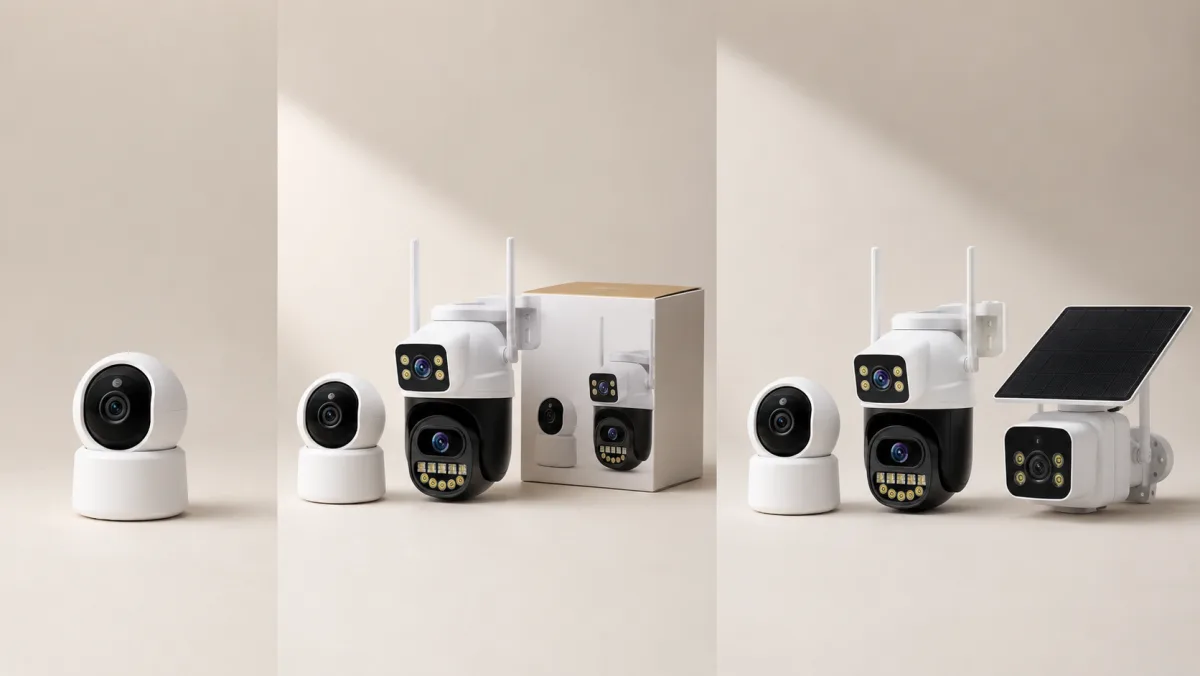
Each stage funds the next. You are never betting the business on an unproven SKU, and the branded packaging from stage one carries into the reorder, so the second run is faster than the first.
Why private label fits emerging markets right now
The case for a private label security camera is strongest in markets where the category is growing but not yet locked up by a dominant local brand — much of Latin America being the clearest example. In Mexico, Brazil and Argentina, marketplace demand for home security cameras has climbed faster than the supply of trusted local brands, which leaves room for a seller who shows up with a credible own-label line instead of yet another generic box.
Two things make this work. First, buyers in these markets care about local certification and Spanish or Portuguese packaging and apps — exactly the layers private label lets you control. A camera that arrives with a manual in your customer’s language and an app that carries your name reads as a real brand, not a grey import. Second, the certification path is specific: Mexico needs IFT, Brazil needs Anatel, Argentina needs ENACOM, on top of the FCC, CE and RoHS marks. A private-label manufacturer that already holds or supports these saves you from discovering, after your first container ships, that you cannot legally list. We built that compliance support into the program for this reason.
The seller who moves first with a localized, certified, own-brand line is the one who owns the category review pages a year later. That window does not stay open forever, which is the practical argument for starting a private-label program now rather than after a competitor does.
What to confirm before you place a private-label order
Before you wire a deposit, get clear answers on these — they are the questions that decide whether the program works:
- Which layers can they actually brand? Camera and box is table stakes; ask specifically about app, cloud and firmware naming.
- What is the real MOQ per layer? Stock branding, color box, and app/cloud each have their own minimum. Get all three.
- Who holds the certifications? Your markets need FCC, CE, RoHS or local approvals such as IFT, Anatel or ENACOM. Confirm the factory holds them and that the test reports carry the manufacturer’s name. The U.S. FCC grantee database lets you check who actually holds a given authorization.
- Can you start small and scale? A good partner lets you begin at stock-SKU volume and grow to OEM, on the same supply chain, without restarting the relationship. For stock volumes, see our wholesale security cameras program.
- How fast are samples? Branded or stock samples in days, not weeks, tell you the factory is set up for private-label work. A real security camera manufacturer answers these cleanly; a middleman stalls.
If a supplier answers these cleanly, you are talking to a manufacturer that can grow with your brand. If they stall, you are talking to a middleman.
Frequently asked questions
What is the minimum order for a private label security camera?
Stock models under your brand can start from around 100 pcs. Full OEM-branded production with your color box, app and firmware typically starts from 2,000 pcs, and white-label app/cloud platform projects from about 500 pcs. The staging keeps your first order small while the catalog still looks complete.
What is the difference between private label and OEM?
Private label puts your brand on an existing, finished model — fast, low MOQ, low risk. OEM changes the product itself: configuration, housing or firmware, with higher minimums and longer lead times. Most sellers start private label and move to OEM once a SKU proves itself.
Can I put my own brand on the app and cloud, not just the camera?
Yes, if your supplier owns the software. A real manufacturer can rebrand the app UI, run your own cloud account and set firmware defaults to your brand. A trading company usually cannot, because the software belongs to a factory upstream.
How long does it take to launch a private label camera?
Branded stock can move in weeks once samples are confirmed. Full OEM-branded runs take longer because packaging and firmware are set up for your brand, but starting from a proven model is far faster than designing a camera from scratch.
Which certifications do I need to sell private-label cameras?
It depends on your market — commonly FCC (US), CE and RoHS (EU), and local approvals such as IFT (Mexico), Anatel (Brazil) or ENACOM (Argentina). Confirm your manufacturer already holds them and that the reports carry the factory’s name, so you can list and ship legally.
Launch your private-label camera brand with us
FAELAN builds indoor, outdoor and solar AI cameras on our own lines in Shenzhen, and we run private-label programs from a small first order up to a full own-brand line — branding that goes from the box down to the app, cloud and firmware. If you are ready to stop building someone else’s brand, see the private-label program, check wholesale pricing for stock volumes, or tell us your market and we will scope the right SKUs, MOQ and certification path within 24 hours.